MTH—04 MITHRIL MINERALS INC TECHNOLOGY / 2026
SYSTEM ARCHITECTURE

The collector

A simple and modular robotic system built to reach the seabed, collect polymetallic nodules with minimal disturbance, and scale up from a single unit to a linear array without the capital cost of massive infrastructure.

DEPTH RATING: 6,000M
STATUS: PROTOTYPE / FIELD TESTING
PATENT PENDING: US20260022636A1
AS OF 2025 — REAL HARDWARE, NOT A RENDER
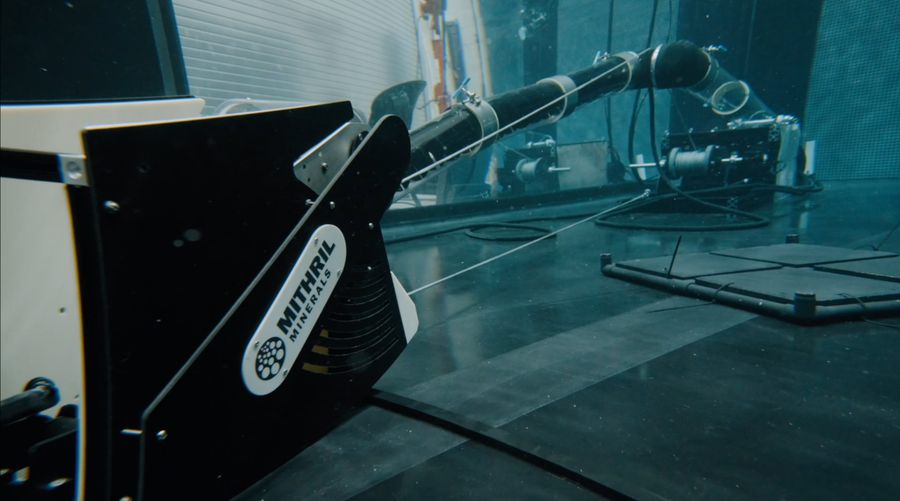
Mithril's collector system undergoing tank testing at Florida International University
Fig. 00 — Collector system, FIU testing 2025
Fig. 01 / Collector Unit

Precise, scalable, and low impact. Modular and scalable by design.

01 COLLECTOR ARMS ARTICULATED REACH AND MECHANICAL PICKUP 02 TETHER SYSTEM SURFACE LINK FOR TOPSIDE MINERAL RECOVERY 03 BASE UNIT COLLECTION, POWER, AND CONTROL HOUSING
Fig. 01 — Collector unit, front elevation
Tab. 01 / System Components

Designed for the deep.

01

Collector Arms

Multi-motor, cable-driven arms designed for precise, low-disturbance nodule pickup. Sensor feedback loops enable real-time adaptation to seabed conditions.
02

Tether System

Systems are deployed from surface vessels via a static (non-powered) tether system. Once anchored, the vessel can be disconnected and depart; the system remains connected to the surface via a buoy. When the system is finished collecting, it is winched back to the surface using the tether system.
03

Base Unit

Collectors sit stationary on the ocean floor, and arms extend around the central base and move nodules into the base unit.
Tab. 02 / Mechanical Collection

A gentle sweep, not a dig.

Fig. 02 — Mechanical collection, in motion

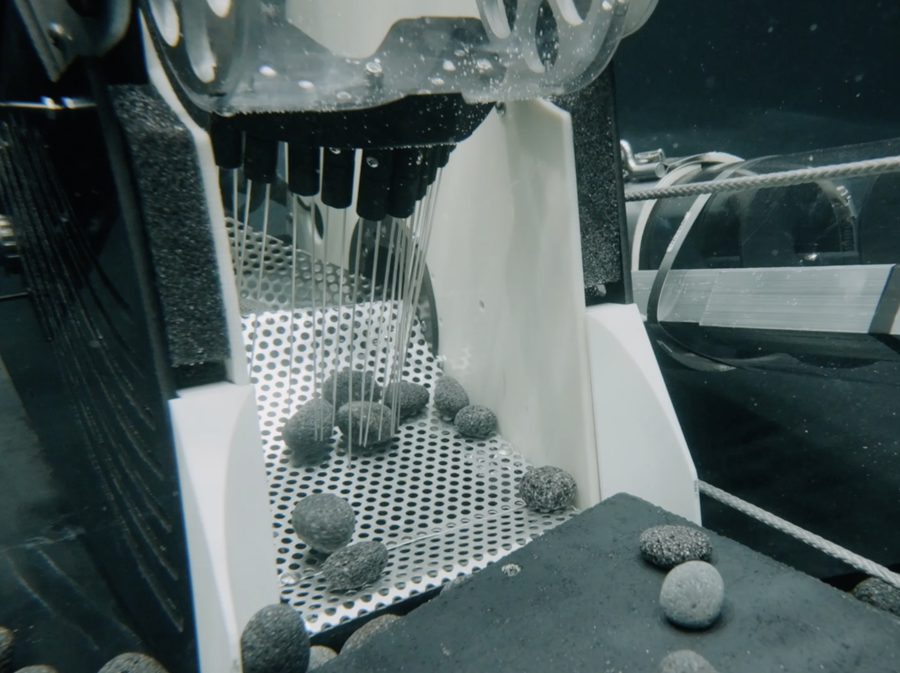
Nodules are conveyed into the collection unit via a rotating comb that gently sweeps up nodules, but doesn't dig into the sediment. This approach reduces the generation of sediment plumes that can spread.

Fig. 03 / Networked Collection Array

One vessel, many independent units, no single point of failure.

Rather than a single massive collection vehicle, the Mithril system is deployed as a linear array of independently operating collector units from one surface vessel. This approach distributes risk, lowers capital costs, and lets the fleet scale incrementally as demand grows.
Fig. 03 — Deployment from surface vessel
Tab. 03 / Environmental Impact

Modeled to disturb significantly less seabed than traditional collection approaches.

One environmental concern with seabed mineral collection is sediment resuspension — disturbing the seafloor creates plumes that can affect marine life beyond the collection site. Traditional collection systems address this with hydraulic systems that remove the full sediment layer along with the nodules, then further disturb the seabed with tracked propulsion.

Mithril's collector uses mechanical pickup around a stationary collector instead. In 2023, independent engineering firm AtDepth LLC modeled sediment resuspension for the initial Mithril collector system and found it is expected to produce significantly less resuspension than collectors that remove a full sediment layer — holding even under conservative assumptions about the largest source of uncertainty.

This analysis is a modeling estimate, not a completed field measurement; laboratory characterization is the next stage of this work. The full study is available in the Document Registry.
Tab. 04 / Timeline

Testing & development timeline

2023
Company incorporated.
Summer 2023
Initial collector concept designed.
Fall 2023
Sediment resuspension study completed. See Environmental Impact.
2024
Laboratory build and testing.
Summer 2024
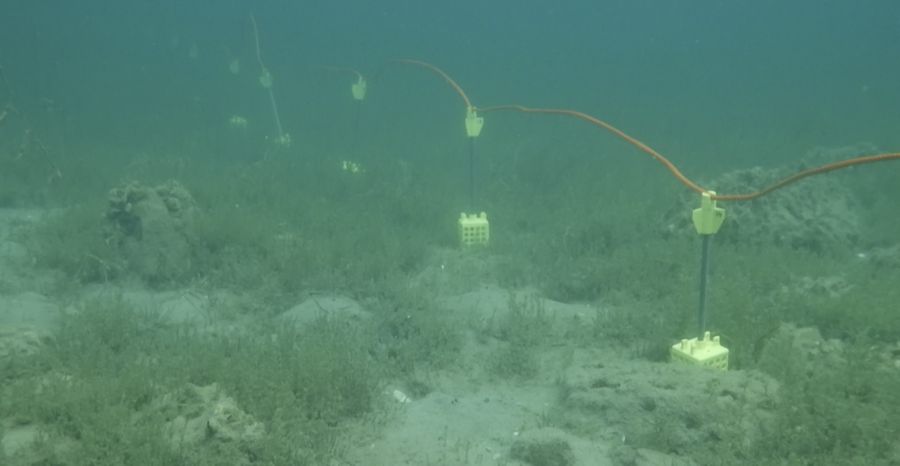
1:50-scale test of the tethered deployment system completed.
1:50-scale model of the tethered deployment system
2025
First full-systems testing at Florida International University (FIU), followed by Mithril's first test in open ocean. See the Document Registry.
Close-up of the collector's comb mechanism sorting nodules during FIU tank testing
2026In Progress
Building the first full ocean-depth-rated system.
Fall 2027Planned
Full systems ocean test, expected.

Full narrative, technology, and data to follow.

Leadership → Careers → Inquire →